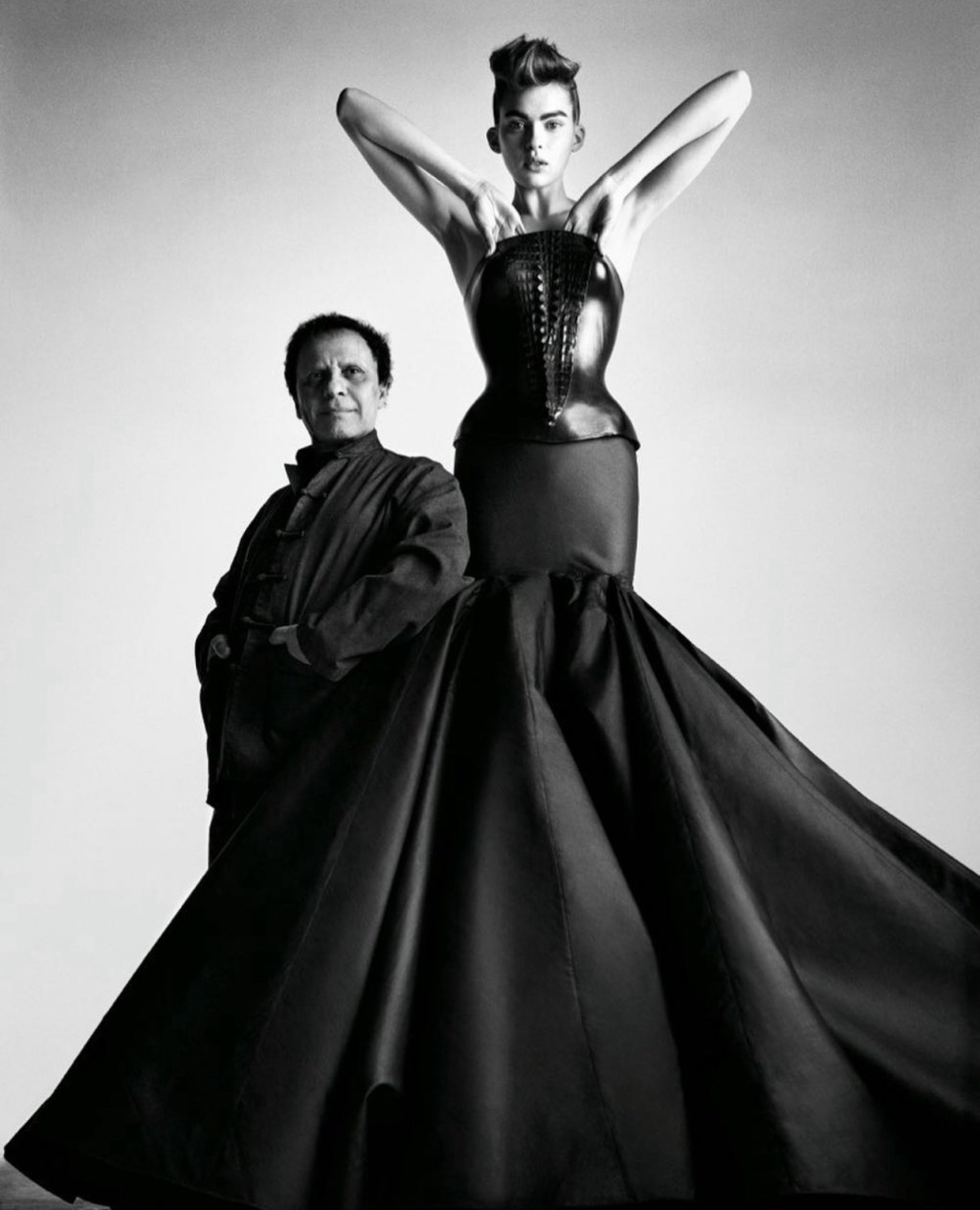
Courtesy of Skin + Bones
In the vibrant tapestry of fashion history, few names resonate as powerfully as Azzedine Alaïa. Rising to prominence in the 1980s, Alaïa highly body women’s wear which were precisely constructed prompted Jean Nouvel attention, the acclaimed architect, aptly described Alaïa as an artist deeply interested in “the architecture of the female form.” and who can display it.
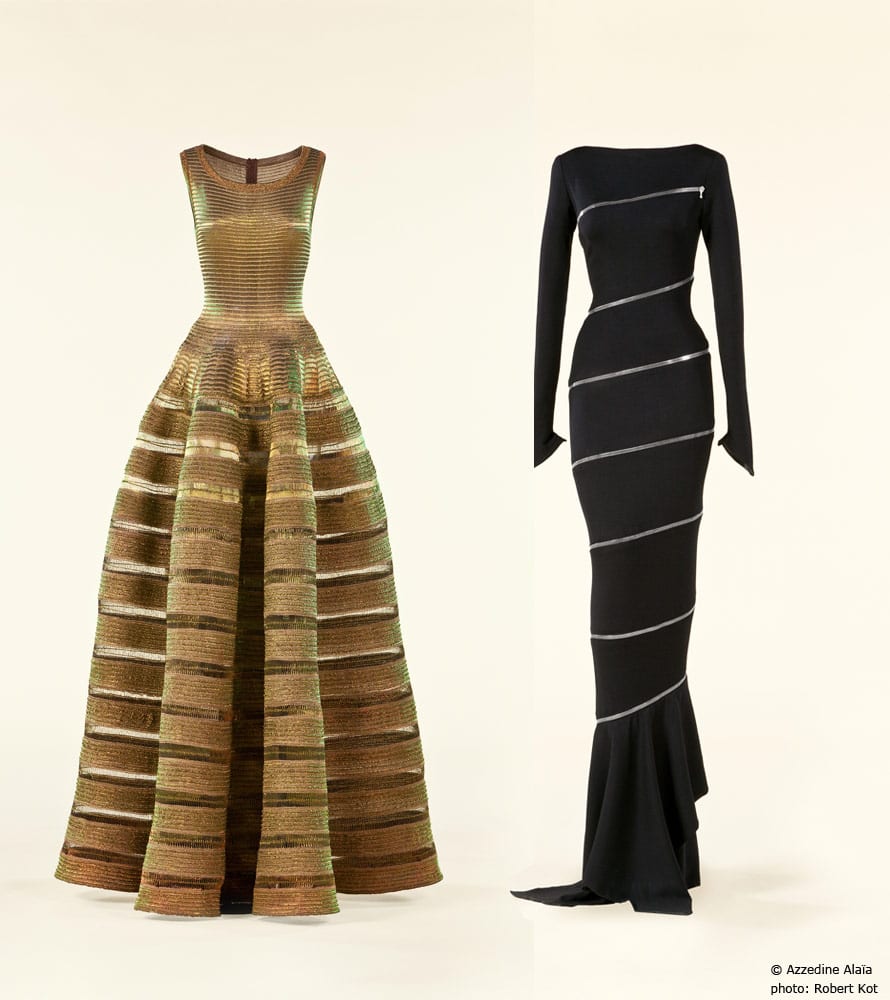
Courtesy of Robert Kot
Alaïa pioneered the use of strechy fabric in fashion. He used stretch fabrics such as Lycra—previously reserved for swimwear, sportswear—to craft dresses that clung to the body like a second skin. His iconic Bandage Dresses exemplified this ethos, wrapping the body closely to define and support its shape, enhancing the natural curves of the wearer. Initially conceived in stretchy, knitted materials, evolved into a sophisticated blend of fabric and leather, intricately sewn together to create a sculptural feminine silhouette.
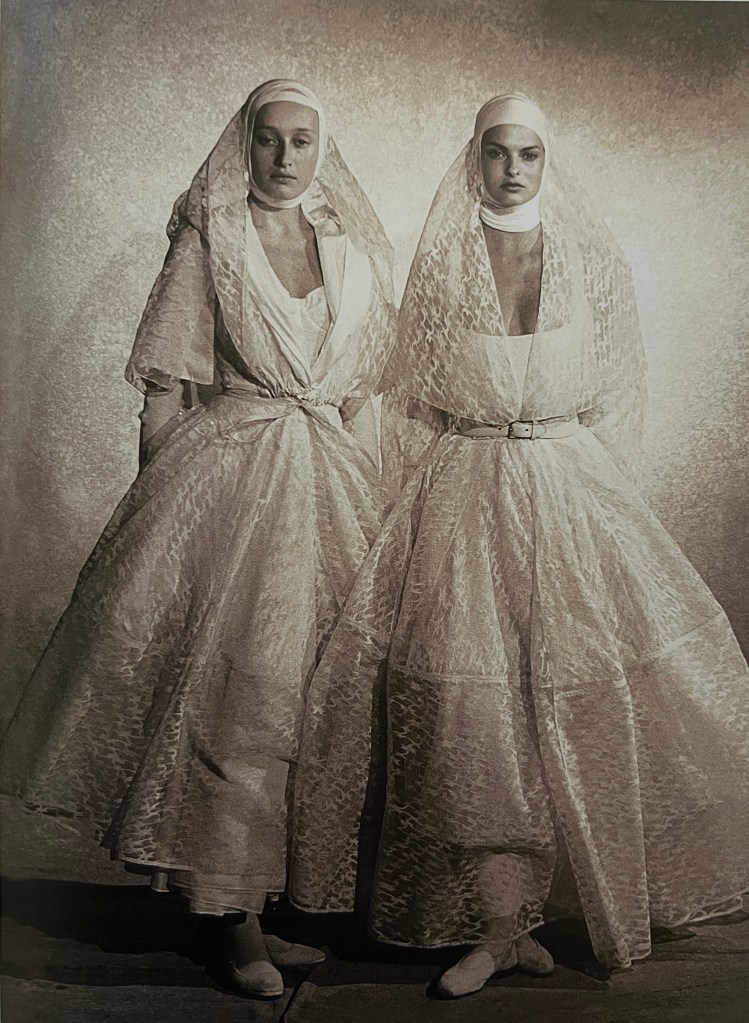
Courtesy of Skin + Bones
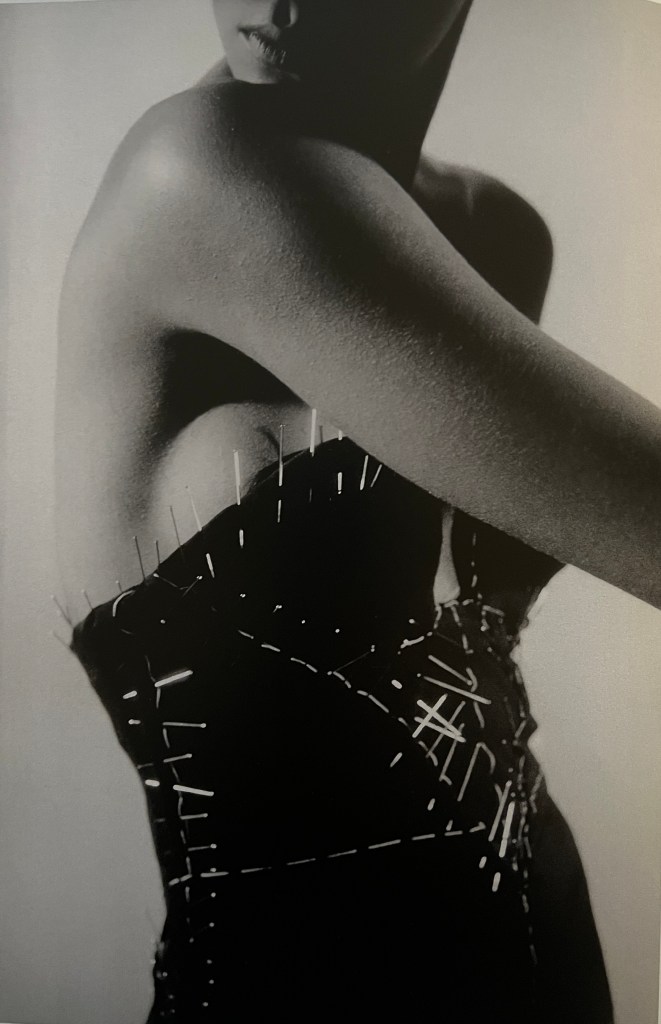
What set Alaïa apart from his contemporaries was his meticulous approach to garment construction. Unlike many designers who relied on dress forms, Alaïa honed his cuts and drapes directly on the body. This hands-on method allowed him to understand the nuances of fit and movement, resulting in garments that felt as though they were custom-made for each individual.
While his designs often appeared deceptively simple, the process behind them was anything but. A single piece could consist of as many as forty individual pieces of fabric, each carefully manipulated to create a meshlike support structure that conformed to the body’s shape. Alaïa employed techniques borrowed from corsetry, utilizing the delicate stitching and seaming of lingerie-making to infuse his garments with an unparalleled level of structure and support.
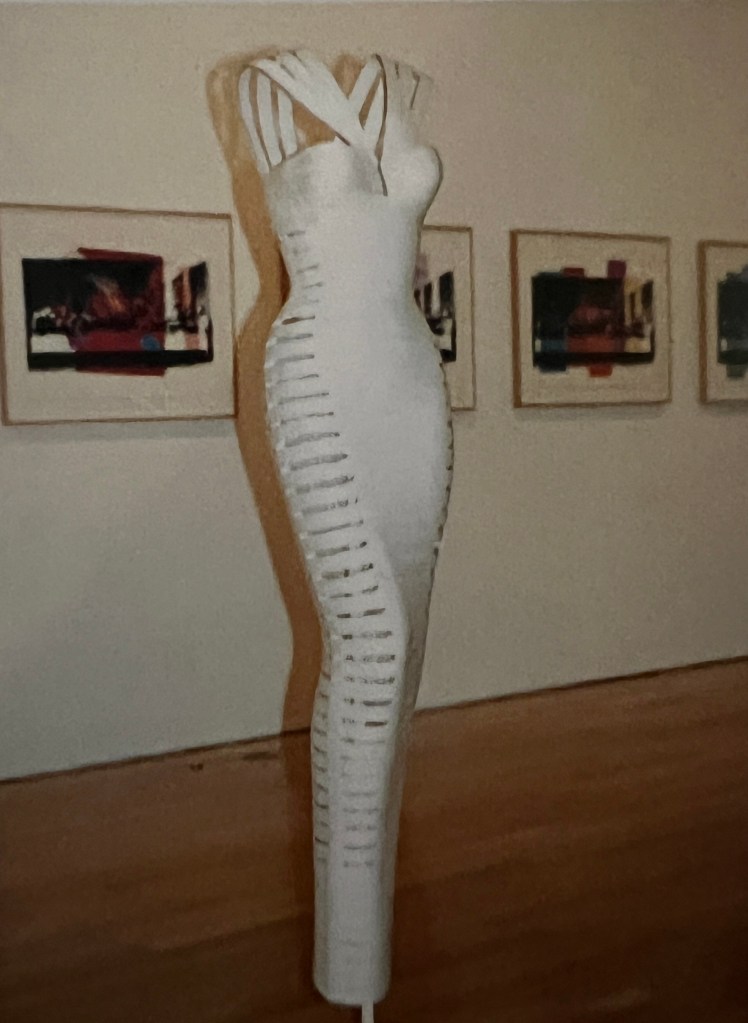
Courtesy of Skin + Bones
In an industry notoriously driven by trends and seasonal collections, Azzedine Alaïa refused to conform to the fashion calendar, choosing instead to showcase his work on his own terms. This defiance allowed him to focus on refining existing designs rather than constantly churning out new collections. His approach not only exemplified his commitment to craftsmanship but also emphasized the idea that true beauty lies in timeless design, rather than fleeting trends.
Alaïa’s impact on the fashion world is indelible. He opened the door for a new understanding of how clothing interacts with the body, bridging the gap between fashion and architecture. His designs continue to inspire contemporary designers who strive to balance aesthetics with the intricacies of fit and form.
As we reflect on Azzedine Alaïa’s remarkable career, we celebrate not just a designer, but a visionary who dared to explore the boundaries of fashion. He understood that clothing is an art form, capable of shaping not only the body but also the identity of the woman who wears it. In the words of Jean Nouvel, Alaïa was indeed an artist who knew how to display the architecture of the female form, leaving a legacy that will continue to influence the world of fashion for generations to come.
In a world where fashion often prioritizes the ephemeral, Alaïa’s commitment to the timelessness of his craft serves as a powerful reminder of what true artistry can achieve. His work remains a celebration of femininity, strength, and the intricate beauty of the human form. As we continue to navigate the evolving landscape of fashion, we can take inspiration from Alaïa’s enduring vision: that clothing, at its best, is a celebration of the body it adorns.
 Fashionecture